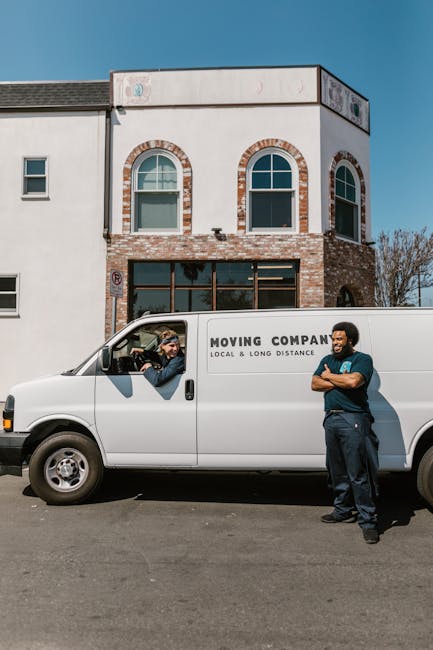
Applying for Maida Vale moving permits for removals vans
If you are planning a move in Maida Vale, the permit side of things can feel oddly more stressful than the packing. One minute you are choosing boxes and bubble wrap, the next you are trying to work out whether a removals van needs bay suspension, a parking waiver, or some other local permission just to stop outside the property for an hour or two. That is exactly why applying for Maida Vale moving permits for removals vans matters: it helps you avoid parking problems, wasted time, and those last-minute headaches that can turn moving day into a mess.
This guide breaks the process down in plain English. You will see when a permit is likely to be needed, how the application usually works, what to prepare, and how to plan the move so the van can load and unload without drama. If you are also comparing moving help, it can be useful to look at broader services such as removal van, removal services, or man and van support alongside the permit plan. Simple, but important.
Table of Contents
- Why applying for Maida Vale moving permits for removals vans matters
- How the process works
- Key benefits and practical advantages
- Who this is for and when it makes sense
- Step-by-step guidance
- Expert tips for better results
- Common mistakes to avoid
- Tools, resources and recommendations
- Law, compliance, standards, or best practice
- Options, methods, or comparison table
- Case study or real-world example
- Practical checklist
- Conclusion
- Frequently asked questions
Why applying for Maida Vale moving permits for removals vans matters
Maida Vale has the kind of streets where parking can be tight, road space can be limited, and a fully loaded van may not have much room for error. That is why a permit, or some form of parking approval, can be the difference between a calm move and a stressful one. If the van cannot stop close to the property, every box takes longer to carry. If it blocks traffic, you risk complaints or enforcement attention. And if the loading area is not arranged properly, the move can end up costing more simply because the crew is spending time shuttling items back and forth.
To be fair, this is not just about avoiding a ticket. It is about protecting the move itself. A proper parking arrangement makes it easier to load furniture safely, keep fragile items under control, and stick to the schedule. It is especially useful for families, flat moves, office moves, and anyone dealing with awkward access, narrow streets, or short-term parking restrictions. In a neighbourhood like Maida Vale, that matters a lot more than people expect on day one.
Expert summary: If your removals van needs to wait outside the property, even briefly, plan the parking first and the lifting second. That one order of operations saves time, money, and a surprising amount of stress.
How applying for Maida Vale moving permits for removals vans works
The exact process depends on the street, the type of parking control in place, and whether your move involves a loading bay, suspended bay, single yellow line, or another restricted area. The general idea is simple: you request permission or confirm whether the van can park legally for the move window, and you do that before the moving day arrives.
In practical terms, the application usually starts with gathering the key details of the move. That includes the moving date, time window, address, vehicle type, and how long the van will need to stay on site. If multiple stops are involved, or if the removals team needs to return later in the day, it is worth planning that from the beginning rather than trying to patch it together on the day. Moving is already busy enough. No need to invent extra problems.
Sometimes the move can be covered by an existing loading allowance, but you should not assume that. In many London neighbourhoods, the rules around waiting, loading, and parking are more detailed than people realise. A short stop to unload a sofa is not always treated the same as a parked van sitting outside for half the afternoon. The safer approach is to check the local arrangements early and then build the move around them.
If you are using a professional crew, they may already have a process for helping with the timing and vehicle planning. That is one reason many customers choose support such as removals, removal companies, or a more flexible man with van arrangement when the access is tricky. The parking part does not disappear, but it becomes easier to manage when someone is used to London moves.
Key benefits and practical advantages
A correctly arranged permit or parking approval is one of those behind-the-scenes things that pays off in several ways. You do not always notice it when it goes well. That is the point.
- Less loading time lost to parking issues: the van can stay where it is needed, so the team can keep moving.
- Lower stress on moving day: nobody is circling the block looking for a space while a sofa blocks the hallway.
- Safer handling of items: close access reduces the distance heavy furniture has to be carried.
- Better timing: useful when you have lifts booked, keys handed over, or a property handover deadline.
- Reduced chance of avoidable enforcement problems: a properly planned stop is much easier than trying to guess on the day.
There is also a less obvious benefit: a permit plan gives you a better grip on the whole move. Once parking is solved, everything else becomes easier to coordinate. Packing, key collection, furniture dismantling, and the order of loading all start to feel manageable. It sounds small. It is not small.
If your move includes larger items, you may also want to consider whether specialist support such as furniture removals, house removals, or flat removals is the better fit. Different move types create different parking needs, especially in places where access is tight and every minute matters.
Who this is for and when it makes sense
Not every move in Maida Vale needs the same level of planning, but permit awareness is useful for a lot more people than you might think. If the van can easily park in a legal, unrestricted spot with plenty of time, you may not need anything special. But if any of the following applies, a permit conversation should be on your checklist early:
- You are moving from or into a street with resident-only bays.
- The van must stop close to the front door for loading.
- You are moving out of a flat with limited lift access.
- Your move needs a timed window because of keys, building rules, or concierge arrangements.
- You are relocating an office and need repeated loading trips.
- You are moving heavy, awkward, or high-value items.
This is especially relevant for anyone booking a moving truck or a larger van that will need space to manoeuvre. It is also worth thinking about if you are combining the move with packing support, because a slower packing rhythm can push the van parking window later than planned. Life happens. Boxes go missing. Keys run late. The parking plan should still hold.
For students, landlords, and renters in particular, the question is often not whether a permit is theoretically needed, but whether the move can be done efficiently in a tight time slot. In those cases, the practical choice may be a flexible service like student removals or a smaller van setup that can work around local constraints more easily.
Step-by-step guidance
Here is a simple, sensible way to approach the permit side of a Maida Vale move.
- Check the street conditions first. Look at whether the property sits on a controlled parking street, a permit-heavy area, or a road with loading restrictions.
- Work out the likely loading window. Be honest here. If the crew needs 90 minutes, do not pretend it will take 20. That just creates friction later.
- Confirm the van size and access needs. A small van may fit differently from a larger removals vehicle, and that affects what parking option makes sense.
- Collect the key move details. Have the address, date, contact details, and vehicle information ready before you begin any permit request.
- Allow time for approvals. Do not leave this until the last evening. Quite honestly, that is where moving plans go to wobble.
- Share the parking plan with the removals team. Everyone should know where the van is going, where it will wait, and what the backup plan is if the spot is occupied.
- Prepare for the actual loading phase. Keep hallways clear, label boxes, and make sure the items going first are easy to reach.
- Recheck on the day. Streets change quickly. A space that looked perfect yesterday may be taken by breakfast time.
That is the basic flow. It does not need to be fussy. Good moving plans are usually simple plans done early.
Expert tips for better results
A lot of moving problems are not dramatic. They are just slightly off. A van is two metres too far away. The parking slot is legal but awkward. The building lift is free, but only after the morning rush. Small things, big impact.
Here are a few tips that really help in Maida Vale:
- Build in an extra buffer. Even 15 to 30 minutes of flexibility can make the day feel less frantic.
- Use the shortest sensible route from van to front door. It sounds obvious, but on a busy street people sometimes forget to plan the walk itself.
- Keep the heaviest items near the exit. If there is a sofa, bed frame, or piano on the list, plan it early.
- Label boxes by room. That speeds up loading and unloading, especially if access is tight.
- Keep building rules in writing if possible. Concierge instructions, time slots, and lift bookings are easy to misremember on a hectic morning.
If you are not sure whether to book packing support, take a look at packing and boxes or packing and unpacking services. A well-packed move usually needs less time on the kerb, and less time on the kerb is exactly what you want when parking is controlled.
One more thing: keep your phone charged and your batteries topped up. It sounds almost silly to mention, but when the driver, building contact, and person handing over keys all need to coordinate at once, a dead phone is the kind of tiny disaster that grows legs.
Common mistakes to avoid
There are a few mistakes that show up again and again with moving permits and van access. None are glamorous. All are avoidable.
- Leaving the permit or parking check too late. The closer you get to moving day, the fewer options you have.
- Assuming a quick stop is always fine. Loading is not the same as casual parking.
- Using the wrong van size. An oversized vehicle may create more access trouble than it solves.
- Forgetting about timing around school runs, bin collections, or road activity. Maida Vale roads can feel very different depending on the hour.
- Not briefing the removals crew properly. If they arrive without the right info, time gets burned sorting out the basics.
- Failing to plan a backup spot. If the front space is taken, what then?
Truth be told, many of these issues come from trying to keep the move "simple" by not planning. But simple only works when someone has done the groundwork already. A little structure saves a lot of stress.
Tools, resources and recommendations
You do not need a huge toolkit to get this right. What you need is a tidy set of details and a realistic plan.
Useful things to have ready include:
- a note of the exact moving date and preferred loading time;
- the property address, including flat number if relevant;
- vehicle details for the removals van;
- the expected loading duration;
- building access instructions;
- contact details for whoever can make decisions on the day.
It also helps to review related service information before you finalise the move. For example, if you need help with a heavier household move, house removalists can be more appropriate than a basic pickup-style arrangement. If you are moving part of a business, office removals or commercial moves may better match the access and timing needs. And if you need temporary overflow space while you sort the parking side out, storage can take pressure off the move.
For pricing confidence, it is also sensible to review pricing and quotes before you commit. Clear pricing helps you see how parking restrictions, vehicle size, and timing may affect the overall job.
Law, compliance, standards, or best practice
Without pretending to give legal advice, the core principle is straightforward: a removals van should be parked and loaded lawfully, safely, and in line with any local restrictions. In London, that means you need to pay attention to parking controls, loading rules, vehicle height and width, access routes, and the practical reality of where a moving van can legally stop.
Best practice usually means three things. First, plan ahead rather than hoping to sort it on arrival. Second, keep everyone informed, especially the removals team and anyone controlling building access. Third, avoid assumptions. A street that looks quiet may still be tightly controlled, and a bay that looks available may not be suitable for loading. It is a bit annoying, yes, but that is the nature of moving in a busy city.
From a safety point of view, it is also wise to treat loading as a manual handling activity, not just a parking task. Heavy boxes, awkward furniture, poor visibility, and narrow pavements all increase risk. If you want to understand how a professional crew approaches that side, the company's health and safety policy and insurance and safety information are useful supporting reads. Those pages do not replace local parking rules, but they do show the standards that matter around safe handling and careful working.
If you are moving for business, you may also want to compare the setup against the company's office relocation services, because office access often needs stricter timing, tidier risk control, and a much cleaner schedule than a typical home move.
Options, methods, or comparison table
There is no single perfect solution for every Maida Vale move. The right choice depends on the street, the timing, and how much needs to be carried. Here is a simple comparison to help you think it through.
| Approach | Best for | Pros | Watch-outs |
|---|---|---|---|
| Standard removals van with planned parking | Most home moves and straightforward flat moves | Efficient, practical, usually the easiest to coordinate | Still depends on access and parking being workable |
| Smaller man and van setup | Smaller loads, student moves, lighter household items | More flexible in tight streets, often easier to position | May need multiple trips if the load is larger than expected |
| Larger moving truck or truck hire | Big family moves, office relocations, bulky furniture | Can move more in one go, good for larger inventories | Needs more space and tighter parking planning |
| Split move with storage | Moves with access delays or staged handovers | Reduces pressure on the moving day itself | Needs extra coordination and possibly extra cost |
There is no prize for squeezing a large move into the wrong vehicle. If in doubt, it is better to choose the setup that matches the parking conditions rather than the one that sounds neatest on paper.
Case study or real-world example
Here is a realistic example. A couple move from a third-floor flat in Maida Vale into a new home nearby. They assume the van can wait outside while they carry things down. On paper, that sounds fine. In practice, the road is busy, the bay outside is already occupied, and the lift in the building is booked for a narrow window just after breakfast.
Instead of guessing on the day, they plan the parking first. They confirm the likely loading time, book the move early, and prepare the furniture the night before. Boxes are labelled by room. The sofa and bed frame are dismantled in advance. On the day, the van is positioned as close as possible, and the loading team gets straight to work rather than hunting for a spot.
The difference is not dramatic on paper, but it is huge in real life. No one is waiting around in the cold. No one is making repeated trips across the street. The move still takes effort, of course, because moving always does, but it feels organised. That calm feeling at the end of the day? Worth a lot.
The same logic applies to larger jobs too. For a business move, the parking plan often matters even more. That is why a service like office removals can be so useful when access is constrained and the schedule is tight. A good plan is half the job, honestly.
Practical checklist
Use this checklist before moving day. It keeps the permit and parking side from slipping through the cracks.
- Confirm the exact move date and time window.
- Check whether the street has parking controls or loading restrictions.
- Decide whether the vehicle needs a permit, booking, or timed loading arrangement.
- Confirm the van size and whether it can safely access the property.
- Share access instructions with the removals team.
- Prepare any building or concierge booking requirements.
- Label boxes and separate essential items.
- Measure any awkward furniture or doorways in advance.
- Keep contact details handy for the moving day.
- Have a backup plan if the preferred parking spot is unavailable.
One small but useful habit: photograph the front of the property and the road layout before the move. It sounds a bit nerdy, yes, but when somebody asks where the van can stand or how the lift access works, those photos save time.
Get a free quote today and see how much you can save.
Conclusion
Applying for Maida Vale moving permits for removals vans is really about making sure the move starts in the right place. When the van can park sensibly, the crew can load efficiently, the schedule stays realistic, and the whole day feels less brittle. That is the goal. Not perfection. Just a move that works.
If you are planning a flat move, house move, office relocation, or a smaller local job, think about the parking plan as early as you think about the boxes. The people who do that usually have a much easier day. It is not magic. It is just good prep. And moving day is easier when good prep has already done the heavy lifting.
Whatever stage you are at, keep it calm, keep it organised, and give yourself a little breathing room. Moving is a big enough job without adding avoidable chaos to the kerb.
Frequently Asked Questions
Do I always need a permit for a removals van in Maida Vale?
Not always. It depends on the street, the parking restrictions, how long the van needs to stop, and whether loading can happen legally without special permission. If the road is controlled, it is best to check early rather than assume.
How far in advance should I sort the parking or permit arrangement?
As early as you can. A few days may be enough in simple cases, but earlier is safer, especially if the move is on a busy street or involves building access rules. Leaving it until the last minute makes everything harder.
What details do I need before applying?
Usually you will need the move date, address, vehicle type, estimated loading time, and any access notes. If there are multiple stops or a large vehicle involved, include that too. The more precise you are, the smoother it tends to go.
Can a smaller van make the permit process easier?
Often, yes. A smaller vehicle can be easier to position in tight streets and may reduce access problems. That said, if the load is too big, you may just create extra trips, which is its own headache. Balance matters.
What happens if the van cannot park right outside the property?
Then the crew may need to carry items further, which slows the move and adds strain. It is not ideal, but it can still work if planned properly. In some cases, storage or a split move can help reduce the pressure.
Is a moving permit the same as loading permission?
Not necessarily. Some streets allow short loading under certain conditions, while others require a more formal arrangement. That is why it is risky to assume the words mean the same thing. They often do not.
What kind of move benefits most from permit planning?
Flat moves, house removals, office relocations, and moves with bulky furniture or tight timings all benefit from early parking planning. In Maida Vale, even a moderate move can become difficult if access is not thought through.
Can I combine parking planning with packing support?
Yes, and that is often a smart move. Good packing keeps the loading window shorter, which helps a lot when parking access is limited. Services like packing and boxes or packing and unpacking can make the whole day more efficient.
What is the biggest mistake people make with moving permits?
The biggest mistake is assuming there will be a space available on the day. Streets fill up, restrictions apply, and timing gets messy quickly. A backup plan is not optional in a busy London area like Maida Vale.
How do I decide between removals van hire and a full removals service?
Think about the size of the load, how much help you need, and how tricky the parking will be. A larger, more involved move may justify full removals support, while smaller or simpler jobs may suit a man and van or removal van setup.
What if my move is urgent or same-day?
Same-day moves can still work, but the parking side gets tighter. If time is short, keep the inventory small, communicate clearly, and look at same-day removals support if the move needs fast action. Calm, clear coordination becomes even more important.
Should I worry about insurance and safety when planning the move?
Yes, in a sensible way. Handling heavy items, loading near traffic, and working in narrow spaces all carry risk. It is worth checking that the move is being handled with proper care and that the team follows safe working practices.
Can storage help if parking or access is limited?
Absolutely. Storage can take pressure off a difficult move, especially if the property handover is split or the schedule does not line up neatly. It is one of those options people forget about until it suddenly makes perfect sense.
What should I do on the morning of the move?
Recheck the parking plan, keep your phone charged, make sure pathways are clear, and confirm the van arrival time. A quick final check can save a lot of chasing around later. Not glamorous, but it works.